The Art of Lighting in Portrait Photography
A great portrait is more than just a photograph—it is a story, an emotion, and a reflection of personality. While composition, posing, and expression all play important roles, lighting is often the defining factor that transforms an ordinary portrait into a captivating work of art. At Khobare Studio, we believe that understanding and mastering light is the foundation of exceptional portrait photography.
Why Lighting Matters
Lighting shapes the mood, depth, and character of a portrait. It highlights facial features, creates dimension, and directs the viewer’s attention to the subject. The same person can appear dramatic, soft, powerful, or approachable simply by changing the lighting setup.
Proper lighting helps photographers:
Enhance facial features and skin tones
Create depth and dimension
Set the mood and atmosphere
Draw attention to key details
Convey emotions more effectively
Understanding Natural Light
Natural light is one of the most versatile tools in portrait photography. The quality of sunlight changes throughout the day, offering different creative possibilities.
Golden Hour Magic
The hour shortly after sunrise and before sunset provides warm, soft light that flatters most skin tones. Golden hour portraits often have a dreamy and romantic feel, making them ideal for outdoor shoots, engagements, and family portraits.
Overcast Days
Cloudy skies act as a giant diffuser, producing soft and even lighting. This reduces harsh shadows and creates balanced portraits with natural skin tones.
Window Light Portraits
Indoor portraits near large windows can produce beautiful, natural-looking results. Window light offers gentle illumination and can create elegant shadows that add depth and character.
Studio Lighting: Complete Creative Control
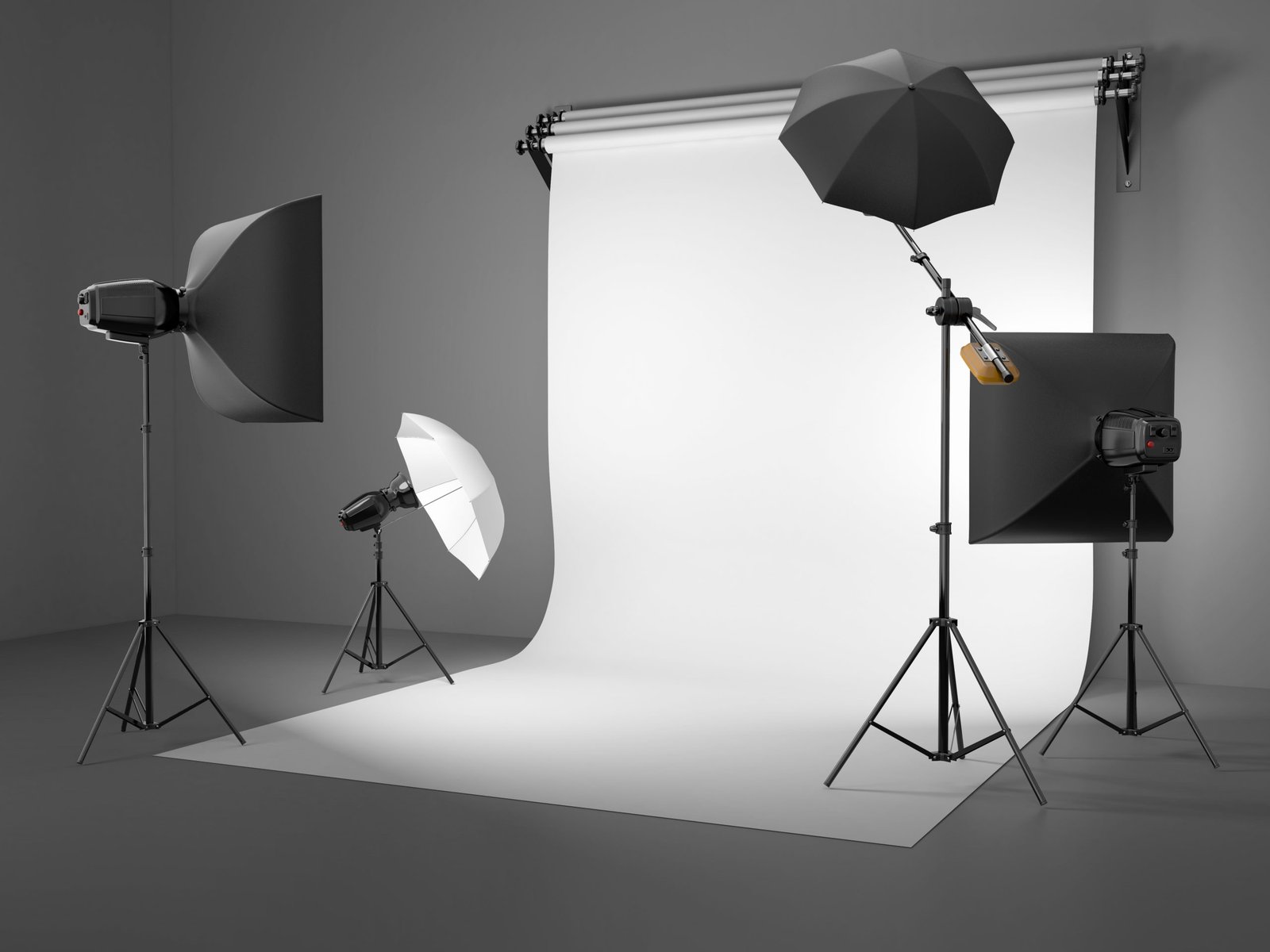
While natural light is beautiful, studio lighting provides consistency and precision. Professional lighting equipment allows photographers to create specific moods regardless of weather or time of day.
Key Light
The key light is the primary source of illumination. Its position determines how the subject’s features are highlighted and where shadows appear.
Fill Light
A fill light softens shadows created by the key light. By adjusting its intensity, photographers can control the contrast and overall mood of the portrait.
Back Light
Placed behind the subject, a back light helps separate the person from the background and adds depth to the image.
Hair and Rim Lighting
These lighting techniques add subtle highlights around the subject’s hair and edges, creating a polished and professional look.
Popular Portrait Lighting Techniques
Rembrandt Lighting
Named after the famous painter, this technique creates a small triangle of light on one cheek. It adds depth, drama, and a timeless artistic quality to portraits.
Butterfly Lighting
Often used in fashion and beauty photography, butterfly lighting places the light source above and in front of the subject, creating a small shadow beneath the nose. It enhances facial symmetry and creates a glamorous appearance.
Loop Lighting
A versatile and flattering setup, loop lighting creates a soft shadow beside the nose, adding dimension while maintaining a natural look.
Split Lighting
This dramatic style illuminates one side of the face while leaving the other side in shadow. It is commonly used for artistic, cinematic, and character-driven portraits.
The Role of Light Modifiers
Light modifiers help photographers shape and control light for the desired effect.
Softboxes
Softboxes diffuse light and reduce harsh shadows, creating smooth and flattering portraits.
Reflectors
Reflectors bounce light back onto the subject, helping brighten shadow areas and achieve balanced exposure.
Umbrellas
Photography umbrellas spread light over a larger area, producing soft and natural illumination.
Grids and Snoots
These tools focus light into specific areas, allowing photographers to create dramatic effects and emphasize particular features.
Matching Lighting to the Story
Every portrait has a purpose, and lighting should support that vision.
Professional Headshots: Clean, balanced lighting conveys confidence and credibility.
Creative Portraits: Dramatic lighting adds mystery and emotion.
Family Portraits: Soft lighting creates warmth and connection.
Fashion Photography: Controlled studio lighting highlights style, texture, and detail.
The best lighting setup is the one that enhances the story you want to tell.
Common Lighting Mistakes to Avoid
Even experienced photographers can encounter lighting challenges. Some common mistakes include:
Using overly harsh light without diffusion
Creating unflattering shadows on the face
Ignoring the direction of light
Overexposing highlights
Using inconsistent color temperatures
Understanding these pitfalls can significantly improve portrait quality.
Final Thoughts
Lighting is the heart of portrait photography. It influences mood, shapes features, and brings personality to life. Whether working with natural sunlight or advanced studio equipment, mastering light allows photographers to create images that leave a lasting impression.
At Khobare Studio, we combine technical expertise with creative vision to craft portraits that are both visually stunning and deeply personal. By understanding the art of lighting, we ensure that every portrait tells a unique story and captures the true essence of the subject.
Looking to create professional portraits that stand out? Contact Khobare Studio and experience the difference that expert lighting can make.