Videography · Training & Safety
Training and safety video that people remember on the job.
- Typical length2 to 10 minutes
- Turnaround10–21 business days
- LanguagesEnglish, Hindi, Marathi
- Best forFactories, hospitals, corporates
Training fails for predictable reasons: it depends on who is in the room, it is delivered differently each time, and people forget most of it within days. Video fixes the first two problems by making the best version of a lesson repeatable, and the third by showing the task instead of describing it. Our training and safety video production service in Pune helps organisations build learning content that works on the shopfloor, in the ward and at the desk.
Why video works for training
Showing a procedure is faster and clearer than explaining it. A thirty-second clip of the correct way to lock out a machine, handle a chemical or prepare a patient room can replace several paragraphs of instruction and a trainer’s memory. New joiners can watch it as often as they like, in their own language, at their own pace. Trainers can use video to start discussion instead of reading slides.
Consistency is the second benefit. When everyone sees the same standard, audits get easier and mistakes caused by variation fall. For safety training in particular, video makes sure the same message reaches every shift, including contractors and temporary staff.
Training films we produce
- Safety induction videos covering site rules, PPE, emergency procedures and hazard awareness.
- SOP and process training that walks through machine operation, quality checks, maintenance and handovers.
- Onboarding and orientation films that introduce new employees to the company, culture and tools.
- Compliance and policy training, such as workplace conduct, data protection and hygiene standards.
- Product and sales training for distributors, dealers and field teams.
- Healthcare and hospitality training, including patient handling, infection control and service standards.
- E-learning modules with video segments, quizzes and graphics, ready for your learning platform.
Safety content that does not get ignored
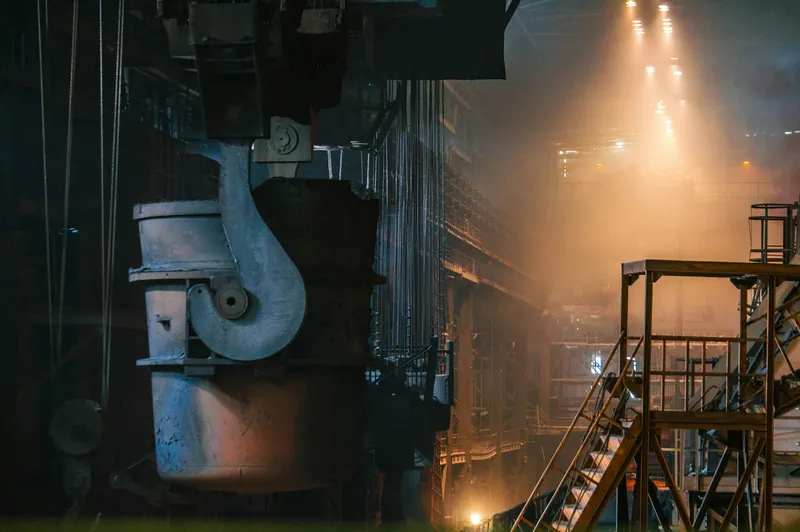
Most workplace safety videos are boring, and workers can tell. The ones that change behaviour are specific, filmed in the actual workplace and respectful of the audience. We shoot on your site, with your machines and your people, so the lessons feel relevant. We show correct and incorrect practice side by side, so the difference is obvious without lecturing.
We work closely with your safety officer, EHS team or domain expert to make sure every step is accurate and aligned with your procedures and applicable regulations. Our job is to make their knowledge clear and memorable, not to replace it.
Language, clarity and pace
Training reaches people with different languages and literacy levels. We produce versions in English, Hindi, Marathi or other languages, with voice-over or subtitles, and keep scripts plain and visual. Graphics call out key points, such as hazard zones or the correct sequence, and on-screen text supports people who watch without sound. Pacing is steady: one idea at a time, with short summaries at the end of each section.
How we work
We start with a conversation about the audience, the skills to be taught, the work environment and the way the film will be used. We then outline learning objectives, write a script and storyboard the key scenes. Shooting happens on site, often with your own staff demonstrating procedures, and we direct them gently so they look natural. Editing adds graphics, captions and voice-over, and we review the film with your subject-matter experts before delivery.
Delivery and use
Training videos are delivered as full films, chapter-based modules and short clips for specific tasks, in formats suited to your intranet, LMS, tablets, plant screens or WhatsApp-sized sharing. We can add quizzes and checkpoints for e-learning platforms. If your procedures change, we offer updates, so you avoid reshooting a whole film for a single revised step. Footage from the same session can also feed an industrial video production or a recruitment film, and your plant visit can double as an industrial photography day.
Planning a training video project
Tell us the topic, the audience, the number of films and where they will be used. Share any existing SOPs, slide decks or training manuals. If the work involves safety-critical steps, plan time for review by your experts. A single shoot can often cover several modules, and batching reduces cost and disruption.
Checking that training worked
A training film is only useful if people remember it. We recommend simple checks: a few questions at the end of each module, a short observation of the task on the floor a week later, and a review of incident or error data over time. These checks tell you which parts of a film need to be clearer and which procedures are being ignored, and the findings feed a revised edit. Treat the first release as a draft you will improve.
Visual references
View all work



Questions
Frequently asked questions
Can you film real employees performing procedures?
Yes, and it often works best. Real colleagues make the training relatable. We coordinate with supervisors and prepare staff beforehand.
Can you make the training available in several languages?
Yes. We create voice-over or subtitled versions in English, Hindi, Marathi and other languages you need.
Do you work with our safety or compliance team?
Always. We rely on your subject-matter experts for accuracy, and review scripts and cuts with them.
Will the videos work on our learning platform?
We deliver in standard formats compatible with most platforms, and can add chapter markers and short quizzes where supported.
How do we update content when procedures change?
We keep project files organised so individual segments can be replaced, voice-overs re-recorded or on-screen text edited without a full reshoot.