Videography · Industrial
Industrial video production that shows what the brochure cannot.
- Typical length90 seconds to 5 minutes
- Turnaround10–21 business days
- SafetyYour site rules followed
- Best forManufacturers, EPCs, exporters
B2B buyers are cautious. Before placing an order, or even replying to a quotation, they want evidence that a supplier is organised, capable and consistent. A well-made film of your plant provides that evidence in a form people actually watch. Our industrial video production service in Pune helps manufacturers show their operations clearly, honestly and well.
Why industrial video earns its place
A brochure can claim capacity. A video can show it. Viewers see the machines, the people, the inspection steps and the packing line. They notice cleanliness, discipline and scale, all of which feed into trust. For exporters and suppliers courting large OEMs, a film can stand in for a factory visit during the early stages, and make the eventual visit shorter and more focused.
It also helps internally. A good plant film is useful for recruiting, onboarding and for showing visiting auditors and investors what your business does. One production can serve sales, HR and corporate communication.
What we produce
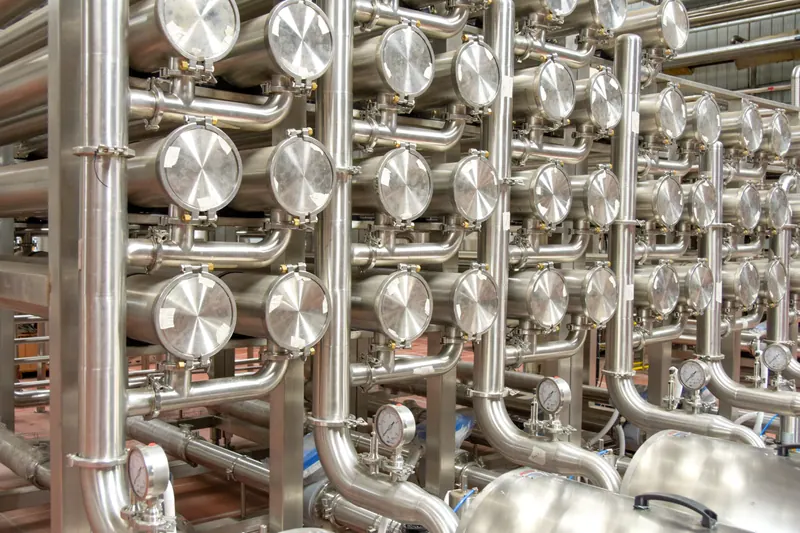
- Factory walkthrough films that move through the plant in the order a visitor would experience it, from incoming materials to dispatch.
- Process videos that explain a specific manufacturing operation, such as casting, machining, moulding, fabrication, assembly or testing.
- Capability and corporate films that combine interviews, plant footage and statistics into a professional introduction to the company.
- Product demonstration and application videos that show products in use and highlight features.
- Quality and certification films documenting inspection, testing and standards.
- Exhibition and trade show loops designed to play silently on a screen at a stall.
Shooting in live industrial environments
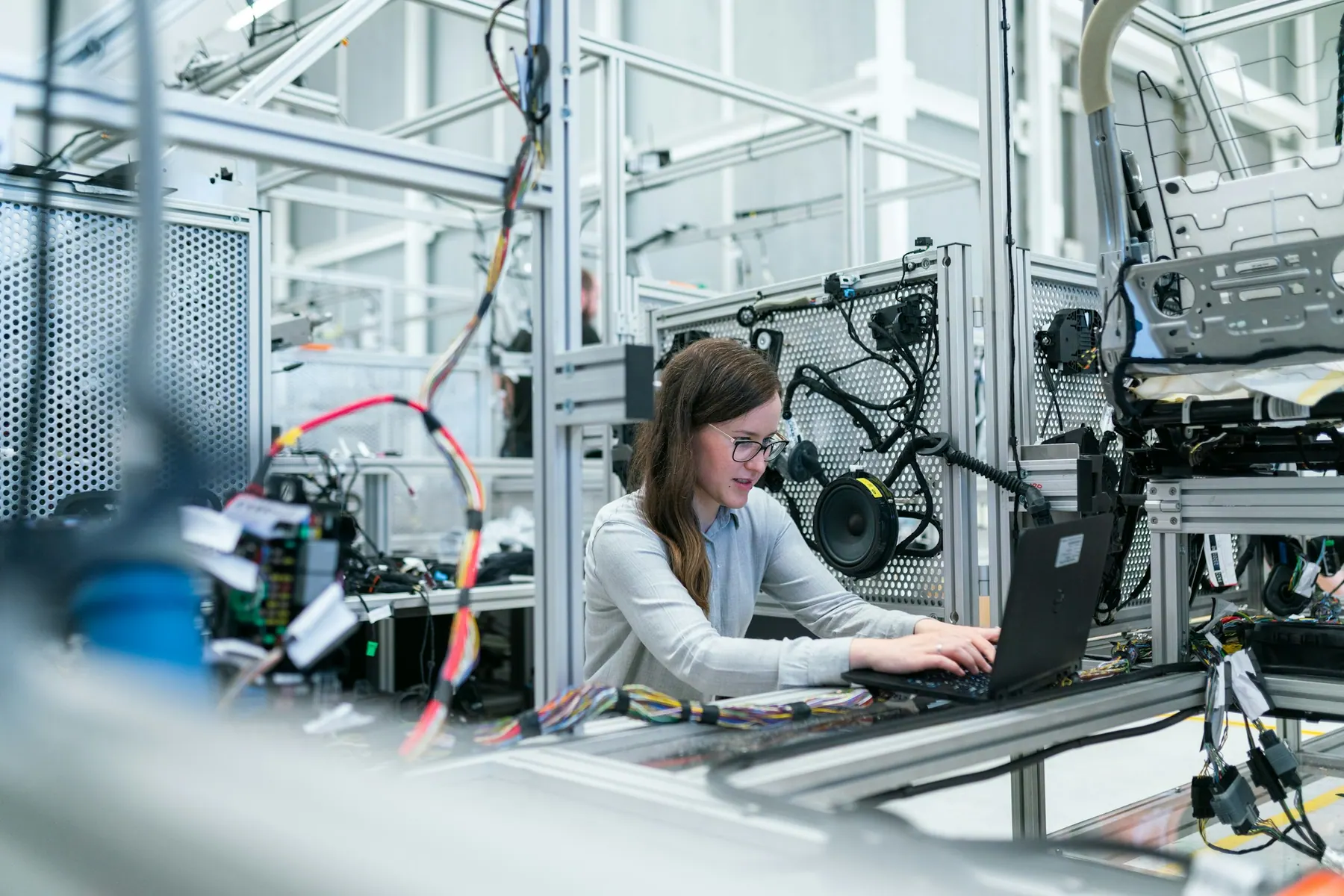
Factories are loud, busy and hazardous, which affects how video is made. We scout in advance, agree the route and areas, and plan around shift patterns. We follow your site safety rules, wear all required PPE and keep our crew compact. Lighting is the biggest technical challenge: high ceilings, mixed lighting sources and reflective metal mean we bring our own controllable lights to supplement existing fixtures, and use stabilised movement to keep the camera smooth around machinery.
Production does not stop for us, and it should not. We shoot working machines at their natural pace and capture the details that make an operation visually interesting: sparks, molten metal, precision measurement, hands at work, gauges, conveyors. These are the images that make an industrial film feel alive.
Telling a clear story
Industrial video fails when it becomes a catalogue of machines. We structure each film around a message, such as quality, speed, precision, scale or reliability, and choose shots that support it. Short on-screen text and, where appropriate, voice-over explain what viewers are seeing and why it matters. Technical content is checked with your engineers for accuracy.
For many clients, a short interview with the owner or plant head adds credibility. People trust someone who can explain how their quality system works in plain language.
Aerial footage, stills and training content
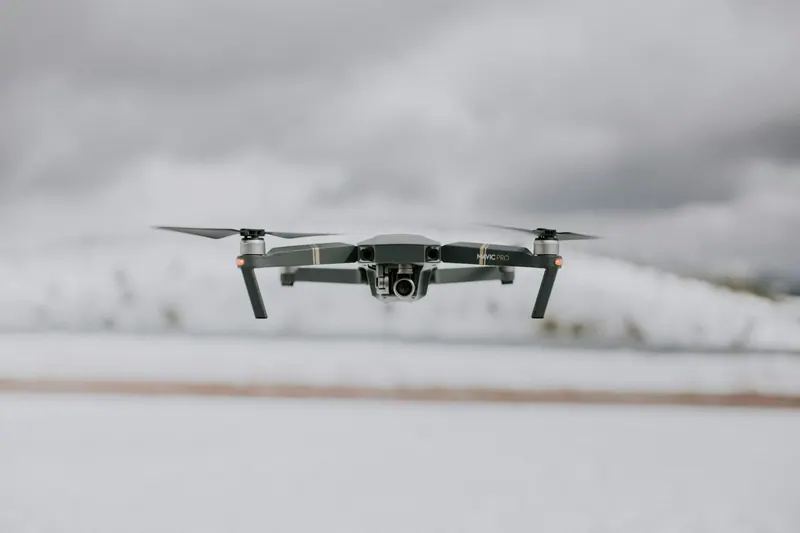
A visit to the plant is an efficient time to capture more than one asset. Aerial footage shows the campus, location and expansion plans. Still photographs, covered in our industrial photography service, supply images for catalogues and tender documents. Training and safety footage, covered in our training and safety video service, can be produced from the same shop floor access. Planning these together saves time and reduces disruption.
Languages, subtitles and export versions
Many manufacturers sell to buyers in several countries. We prepare films with English narration or subtitles, and can create versions with Hindi, Marathi or other languages as needed. Videos are exported with captions for silent viewing, which matters on LinkedIn and at trade shows, and in file sizes suited to email, web and presentations.
Planning an industrial video shoot
Tell us what you make, the audience, the intended length and where the film will appear. Share any safety rules, confidentiality constraints and the best days and times for production. A site visit or video walkthrough helps us plan, and we will propose a shot list and schedule for approval. Allow time for your internal review of the first cut, since technical accuracy is worth a round of edits.
Exports, trade shows and tenders
Industrial films are often watched by people who have never met you: a buyer in another country, a procurement committee or a visitor at an exhibition stand. We design for that. Scripts avoid local shorthand, captions make the film work without sound, and a short loop version plays well on a screen at a booth. For tenders and vendor registrations we can prepare a compact, factual capability film that complements your documents.
Visual references
View all work

Questions
Frequently asked questions
Can you film while the plant is running?
Yes, where safe and agreed. Moving machinery is part of what makes the film engaging. We coordinate with your production team to avoid disruption.
Do you follow our safety rules?
Always. We complete your induction, wear the required PPE and follow your instructions on restricted areas and equipment.
Can we keep some processes confidential?
Yes. We agree in advance what can and cannot be filmed, and we can frame shots so proprietary details are not visible.
How long does a plant film take to shoot?
A single-site capability film is usually shot in one to two days. Larger or multi-location productions take longer.
Can you create short versions for LinkedIn and trade shows?
Yes. We provide short cut-downs and silent loops with captions as part of the delivery.