Food Photography in Pune: How Restaurants and Food Brands Can Make Customers Hungry Online
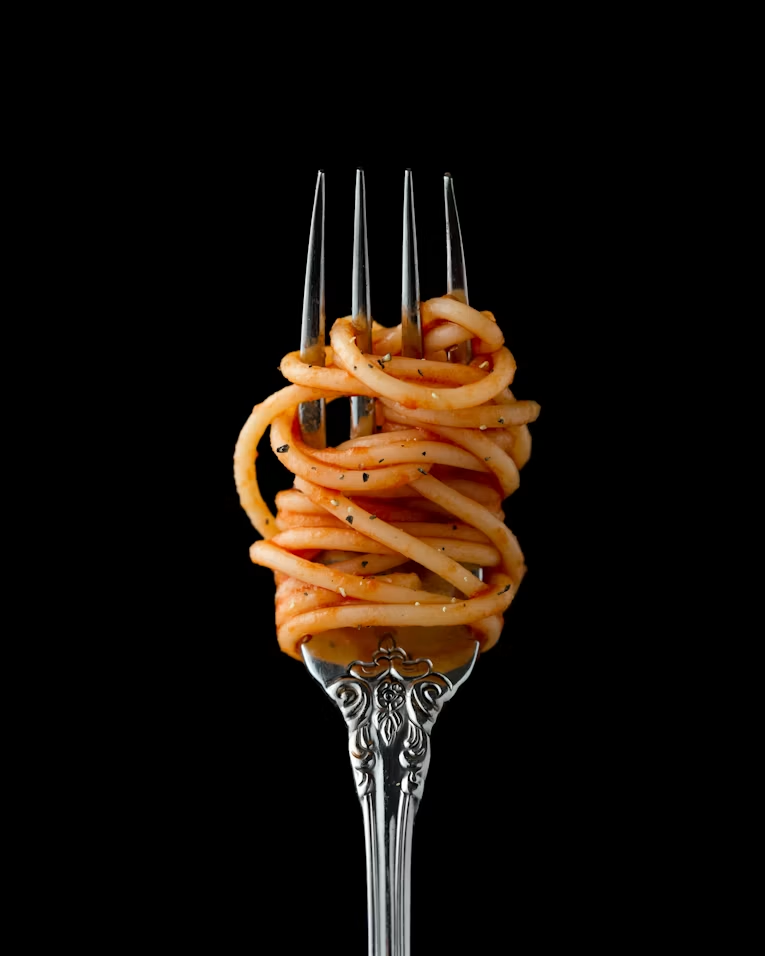
Why food photography is different from ordinary photography
Food changes quickly. Ice melts, sauces lose their shine, herbs wilt and steam disappears. That means the shoot has to be organised around the kitchen as much as the camera.
A professional food shoot usually starts by deciding which dishes matter most. The kitchen can then prepare them in a planned order, giving the photographer time to style and capture each plate while it is at its best.
The objective is not simply to make food look beautiful. The image should feel believable and appetising while staying close to what the customer will actually receive.
Start with the purpose of the image
A menu photograph has a different job from an advertising hero image. Menu photographs should help customers choose quickly. The dish should be clear, recognisable and presented consistently with the rest of the menu.
Advertising images can be more dramatic. They may use props, textured backgrounds, hero lighting or wider scenes to communicate a brand mood.
Social media content can sit between the two. It may combine finished dishes with behind-the-scenes frames, ingredients, chefs and short-form video.
Defining the use before the shoot helps determine the right composition, styling and orientation.
Styling should support the dish
Food styling is powerful, but it should never become distracting. Plates, cutlery, napkins, surfaces and ingredients can provide context, but the main dish should remain the visual focus.
Colours should support the restaurant's identity. A premium restaurant may prefer restrained styling. A casual café may use colourful props. A packaged food brand may need strong brand colours and clear product packaging.
The best styling usually feels intentional without making the customer wonder whether the photograph shows the real item.
Lighting brings out texture
Food often looks best when light reveals texture. Crusts, sauces, leafy greens, grilled surfaces and desserts all respond differently.
Side lighting can create texture and dimension, while softer frontal light can produce a cleaner menu style. The photographer chooses the lighting approach according to the dish and the brand.
Colour consistency matters as well. Food that looks grey, overly saturated or unnaturally warm can lose its appeal. Accurate colour helps customers form realistic expectations.
Build a useful restaurant image library
A restaurant does not need one perfect photograph of one signature dish. It needs a library that supports ongoing marketing.
Consider photographing hero dishes, bestsellers, beverages, desserts, seasonal specials, interiors, staff and behind-the-scenes preparation. These different asset types can support different content needs throughout the year.
A restaurant may use food photographs in delivery listings today and reuse them in a festival promotion months later. Having organised high-resolution originals makes that reuse easier.
Food photography for cloud kitchens and delivery brands
Cloud kitchens often have less physical branding than traditional restaurants, so product presentation becomes particularly important. Customers may encounter the business almost entirely through a delivery app or social media.
Clear, appetising food photographs can help the menu feel more trustworthy. The images should make portion, ingredients and presentation understandable without relying on lengthy descriptions.
Consistency becomes especially important when a menu contains many dishes. Similar framing and colour treatment help customers browse the catalogue without visual confusion.
Common mistakes in food photography
One common mistake is photographing dishes after they have been sitting for too long. Freshness is visual, and many foods lose their best appearance quickly.
Another mistake is adding too many props. A beautiful table setting can become a problem when customers cannot immediately tell which item they are supposed to order.
Poor lighting is another issue. Flat overhead light can remove texture, while harsh direct flash can create distracting reflections and hard shadows.
Finally, some businesses photograph every dish from the same angle. Variety is useful, but consistency in the overall catalogue is still important.
Choosing a food photographer in Pune
Look for portfolios where the food looks appetising rather than merely technically sharp. Check texture, colour, styling and how well the dish remains the focus of the frame.
Discuss the menu size, number of dishes, styling support, shoot location, delivery formats and whether you need interior, staff or behind-the-scenes photographs as well.
For a restaurant launch, consider creating both a core menu library and a smaller set of campaign images so that the content continues to be useful after opening week.
Final thoughts
Professional food photography helps customers decide what to order. For Pune restaurants and food brands, the best images balance appetite appeal with accuracy and brand personality.
With a planned shot list, food preparation schedule and consistent visual style, one shoot can provide a library of marketing assets for menus, websites, social media and campaigns.
Khobare Studio provides commercial food photography focused on detail, composition and visuals that help brands communicate their offering clearly.
Frequently asked questions
Should restaurants photograph every menu item?
Not necessarily. Start with signature dishes, bestsellers, high-margin items and products that customers commonly need help understanding. Expand the library over time.
Can food photography be done in a restaurant?
Yes. On-location shoots can incorporate the restaurant environment and brand atmosphere while keeping the food as the hero.
Is food styling included in a professional shoot?
It depends on the project. Discuss styling requirements before the shoot so the photographer and kitchen can plan the right setup.
Can food photos be used for delivery platforms and social media?
Yes. A good shoot can provide multiple compositions and crops so the same core photography can be adapted to different marketing channels.