Photography · · 5 min read
Delivery App Food Photos: What Pune Restaurants Should Shoot and How
On a delivery app, your dish is a thumbnail the size of a postage stamp, sitting next to dozens of competitors. The customer scrolls fast, hungry and impatient. The picture does most of the selling, and the recipe barely matters until after the order. This makes delivery photography different from menu or magazine photography. It follows its own rules, and following them can lift orders without touching a single price.
Design for the thumbnail
A photograph that looks wonderful at full size can become mush at thumbnail size. Shoot tighter than you think. Fill the frame with the dish so details such as texture, colour and steam read even when small. Keep the background simple, since busy tables and props turn into noise. Choose a clear point of focus, usually the hero ingredient: the chicken in a biryani, the cheese on a pizza, the filling in a roll.
Test by viewing your image on a phone at the size it will appear. If you cannot tell what the dish is in one second, retake it.
Show the dish as the customer will receive it
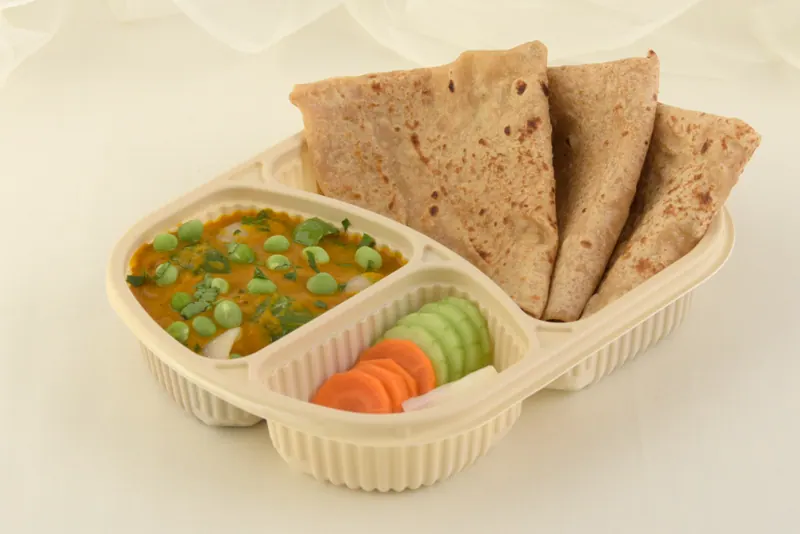
Delivery customers are reassured by realism. A glamorous plated shot of a biryani on fine china may not match the foil container that arrives. Many restaurants now photograph the dish in its actual packaging, or in a bowl and plate that look like the real serving. This reduces disappointment and complaints, and it gives you images that match the customer's expectations.
If your packaging is part of your brand, include a few shots of the sealed box, bag or tray with the dish alongside, so people see the whole experience.
Prioritise the dishes that matter
You do not need to shoot the entire menu at once. Start with your top ten sellers, your highest-margin dishes and any new items you want to push. Then add more over time. Customers who see consistent, attractive images for the top of the menu form a good impression even when lower items are simple. If you cannot afford a full shoot, a half-day covering the highest-impact items is often the best return.
Keep colour, light and style consistent
A menu where every photo has a different background, colour balance and angle looks chaotic. A menu where photos share a consistent look appears professional and trustworthy. Choose one or two backgrounds that suit your brand and shoot every dish the same way: the same camera height, the same crop and the same style of lighting. If you add dishes later, return to the same setup.
Light for appetite
Soft, directional light that comes from the side or back brings out texture and gives food dimension. Direct overhead lights flatten food and create harsh shadows. Avoid flash on the camera, which makes food look greasy and flat. Colour should be natural: bright and appetising, but not so saturated that the real dish looks dull in comparison. Hot food needs speed, so prepare the set before the dish arrives and shoot quickly.
Use styling, not tricks
Styling should make the real food look its best. Arrange components neatly, wipe plate edges, add a fresh garnish and use a little oil or sauce to bring back shine where food has dried out. Avoid artificial tricks, such as non-edible substitutes, that make the customer feel misled. Honest, careful styling builds repeat business, while deceptive images generate bad reviews.
Build the full set of images
For each hero dish, capture a few versions: a close crop for the thumbnail, a wider shot for the detail page and perhaps an overhead flat-lay for combos and thalis. For beverages and desserts, capture a straight-on angle that shows height and layers. For combos, show the full set together so the customer understands the value. Create a variety of crops, including square and landscape, since different platforms use different shapes.
Prepare your kitchen for the shoot
Cook dishes at normal portion sizes, using fresh ingredients and preparing a small number at a time. Have spare components ready: extra garnish, fresh rice, hot gravy. Use clean, simple crockery and packaging. Make sure the chef or a manager is available to approve each plate. Plan the order of dishes, shooting those that wilt, melt or lose texture first.
After the shoot: use the images well
Upload the images to your delivery platforms, Google Business Profile, website and social media. Use consistent dish names and descriptions, and add clear, honest descriptions with ingredients and portion sizes. Update the photos when you change a recipe or packaging, since mismatches harm trust. Review your orders after the update to see if conversion has improved.
Working with a studio
Khobare Studio photographs restaurant menus, delivery listings and packaged food, either at your kitchen or in our Wakad studio, with styling included. You can learn more on our food photography page, and if you also plan to run reels, our social media video service can capture clips during the same session.
Combos, thalis and packaging shots
Combos and thalis sell on value, so show everything included in one frame, arranged tidily with a clear hero item. For packaged meals, add a shot of the sealed container with the contents visible through the lid or beside it. If you offer variants, such as veg and non-veg, photograph each properly instead of reusing the same picture. Beverages benefit from a straight-on angle that shows layers and colour, while desserts often work well from a slight overhead angle.
Mistakes that cost orders
Dark, yellow photos, inconsistent backgrounds, crops that cut off the dish, images that do not match what is delivered, and the same picture used for different items all harm trust. So do images updated rarely, so that old recipes and packaging stay on the menu long after they have changed.
Final thoughts
Delivery app photography is about clarity, honesty and consistency. Shoot tight for the thumbnail, show the dish as the customer will receive it, prioritise your best sellers, keep your style consistent and use soft light. The result is a menu that looks as good as it tastes, and orders that reflect it.
Related service
Food Photography in Pune
Menus, packaging and delivery listings people can almost taste.