Jewellery Photography in Pune: How to Capture Detail, Sparkle and Luxury
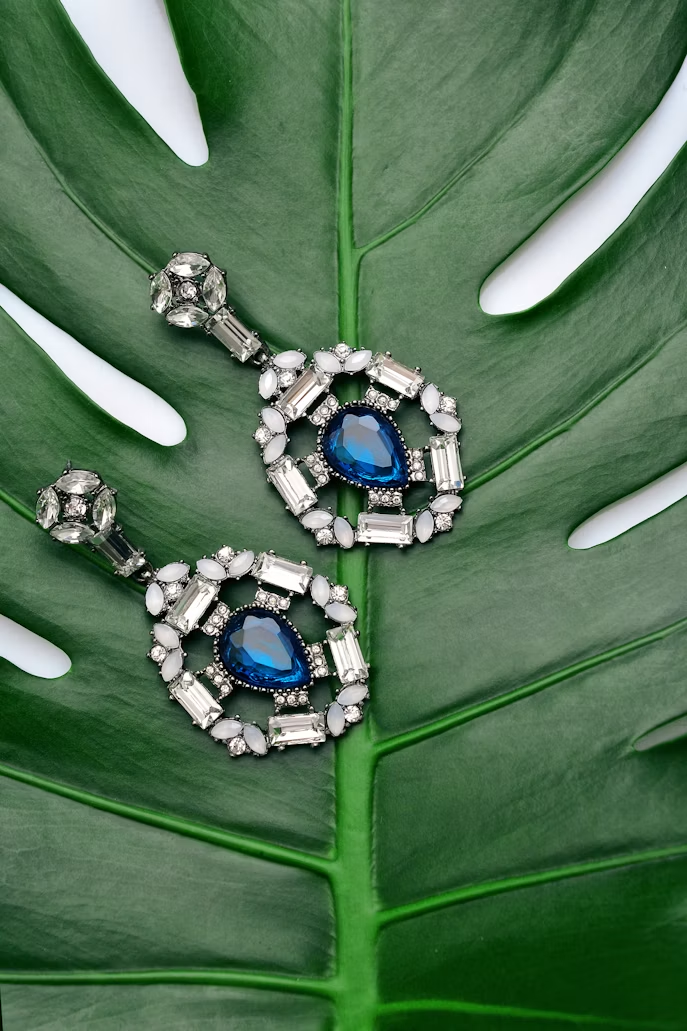
Why jewellery photography requires specialist control
A ring, necklace or pair of earrings can contain dozens of tiny surfaces that interact with light. Polished gold reflects the environment. Diamonds create sharp highlights and dark edges. Coloured gemstones can lose their character if lighting is too flat or if colour processing is inaccurate.
That means simply increasing brightness is rarely the answer. The photographer needs to shape the light and the reflections around the jewellery. Small changes in the position of a light source, diffuser or reflector can dramatically change the final image.
The goal is controlled brilliance: enough contrast to show form and sparkle, but enough detail to let the customer see the craftsmanship.
Plan the photography around the buying decision
Jewellery photography works best when each image has a purpose. A hero image introduces the design. Additional photographs can show side profiles, stone details, clasps, settings or scale.
For e-commerce, consistency matters. Rings should be presented at similar angles and sizes. Earrings should be aligned carefully. Necklaces may need multiple compositions to show the complete shape and close-up details.
For a luxury advertising campaign, the requirements are different. Styling, props, models and dramatic lighting may be used to create emotion. The brand may need fewer photographs, but each one must communicate a distinct part of the campaign idea.
Macro detail builds trust
Jewellery is often purchased because of craftsmanship. Macro photography lets customers inspect the details they cannot experience physically on a screen.
A useful close-up can reveal the facets of a gemstone, the shape of prongs, engraved details or the texture of a metal surface. These photographs can also become useful social media assets because they create visually satisfying crops.
Macro photography requires precision. Focus, depth of field and camera stability become critical at high magnification. The photographer has to decide which part of the jewellery should be tack sharp and how the remaining areas should transition out of focus.
Colour accuracy matters
Jewellery brands depend on trust. If gold appears too yellow, silver looks grey, or a gemstone shifts noticeably in colour, the customer may feel that the product is different from the listing.
Professional colour management helps keep the image consistent with the physical piece. The process involves controlled lighting, accurate exposure and careful post-production.
This is especially important when a collection includes multiple gemstones or materials. The images should feel like part of the same catalogue while preserving the distinct colour of each product.
Catalogue photography versus campaign photography
A jewellery business often needs both. Catalogue photography is informative: clean backgrounds, consistent angles and clear detail make products easy to compare.
Campaign photography is emotional. It may use models, fashion styling, architectural locations or elaborate sets to communicate a lifestyle around the jewellery.
Using the same visual assets for both purposes can limit a brand. A clean catalogue shot is excellent for a product page but may not carry a seasonal campaign. A dramatic campaign frame can create desire but may not show enough detail for a purchase decision.
Planning both image types in one production can make the content library more useful.
Common jewellery photography mistakes
One mistake is leaving reflections uncontrolled. Random highlights can make metal look scratched or uneven. Another is over-retouching. Removing every natural texture can make a piece look artificial and reduce the customer's confidence.
Poor alignment is another issue. A collection photographed with different angles, crops or scales feels inconsistent. Even luxury products lose impact when the catalogue lacks visual discipline.
Finally, brands sometimes create beautiful photographs that are difficult to use online because important detail sits too close to the edge. It is helpful to capture both tightly cropped and more generously composed versions for different layouts.
Choosing a jewellery photographer in Pune
Review portfolios specifically for reflective and high-detail products. Look at gemstone clarity, metal surfaces, edge definition and consistency across a collection.
Before the shoot, discuss whether you need catalogue, campaign, social media or marketplace images. Clarify the number of products, expected shot types, styling requirements, retouching approach and delivery formats.
A good commercial photographer will help turn a product list into a practical shot plan rather than simply asking you to send the jewellery and wait for the final images.
Final thoughts
Professional jewellery photography combines technical control with art direction. The best images make customers notice the sparkle while still allowing them to inspect the craftsmanship.
For Pune jewellers, a well-planned photography project can create a premium visual library for e-commerce, catalogues, social media and campaigns. The investment is most valuable when the images are consistent, accurate and designed for real commercial use.
Khobare Studio’s commercial photography approach can help jewellery brands create imagery with detail, elegance and a clear visual direction.
Frequently asked questions
What makes jewellery photography difficult?
Reflective metals and gemstones interact strongly with light, so uncontrolled reflections can hide shape and detail. Jewellery also requires precise focus and careful colour handling.
Should jewellery be photographed on white backgrounds?
White or neutral backgrounds work well for catalogue images because they keep attention on the product. Campaign images can use more creative settings when the brand needs emotion or storytelling.
Do jewellery products need macro photographs?
Macro images are useful when fine craftsmanship, gemstones, engraving or setting details are important to the buying decision.
Can one jewellery shoot cover website and social media content?
Yes. The shot list can include both catalogue compositions and campaign or lifestyle photographs, giving the brand a broader library to reuse.