Photography · · 5 min read
How to Plan a Fashion Lookbook Shoot in Pune: Moodboards, Models and Budget
A lookbook is the most persuasive thing a clothing label can publish, and also one of the easiest to get wrong. The garments are good, the team is excited, and then the shoot day arrives with no clear idea of what the pictures are for. The result is a pile of attractive images that do not add up to a collection. This guide walks through how to plan a lookbook shoot in Pune so that the pictures are cohesive, useful and shot on budget.
Decide what the lookbook is for
Start with the job. A lookbook that goes to wholesale buyers needs clear, honest views of every piece, with consistent framing so garments can be compared. A lookbook for customers and social media needs mood, context and aspiration. Many labels need both, which is fine, as long as you decide the priority before planning anything else.
Write one sentence that captures the brief: "A warm, festive lookbook of twelve outfits for our website and Instagram, launched on the first of October." That sentence becomes the test for every decision after it, from the model you choose to the backdrop you hire.
Build a moodboard that a photographer can use
A moodboard is not a collage of things you like. It is a short, specific set of references that communicates light, colour, pose, location and attitude. Gather six to ten images: two for lighting style, two for colour palette, two for composition and two for attitude. Add a few words under each explaining what you like about it, such as "soft window light" or "walking movement".
Share it early with your photographer. A good photographer will tell you what is practical in your studio or location, suggest changes and often improve the idea. If your references show bright outdoor sun, but your launch is in monsoon season, it is far better to learn that now than on the day.
Choose models and a styling team
Models are your brand on camera, so cast for the customer you want, not just for beauty. Consider size, age and skin tone relative to your audience, and check that each person can move naturally in the garments. A short test frame or a trial fitting reveals problems early, such as a cut that gapes or a fabric that clings.
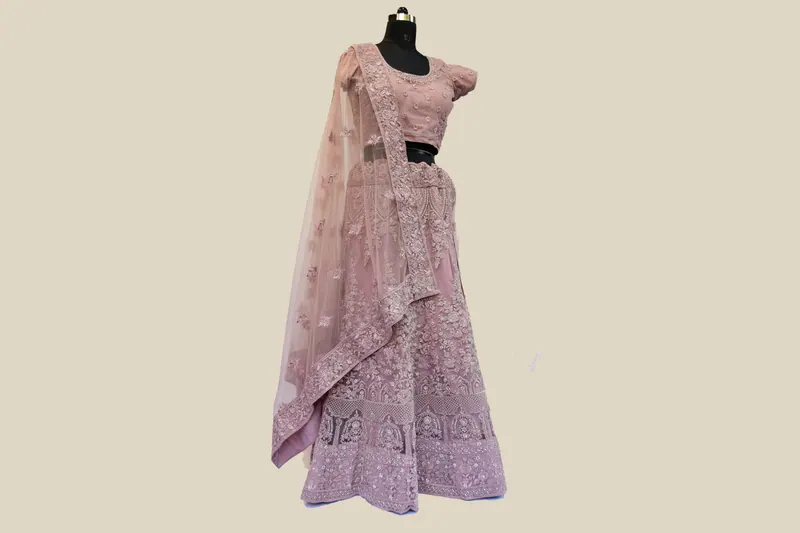
Styling matters more than most labels expect. Accessories, footwear, hair and make-up complete the look, and they should support the garments without competing with them. If you do not have an in-house stylist, ask your photographer to coordinate one and agree a clear budget. For occasion wear such as sarees and lehengas, draping help on set is often worth more than any other single expense.
Prepare the garments properly
Garments should arrive steamed, tagged for order and checked for loose threads, missing buttons or stains. Bring duplicates of anything delicate. Prepare a rail or a list that shows the sequence of looks, with accessories assigned to each. Include safety pins, clips and tape for fitting adjustments, and a steamer on set, because fabric wrinkles during transport and under lights.
For ethnic and festive wear, bring the correct inner garments and dupattas for every outfit, and confirm which pieces should be shown from the back, since embroidery often sits there.
Write a shot list that fits the day
A shot list prevents a pleasant day from ending with half the collection unphotographed. For each look, decide the number of frames: for example, one full-length, one three-quarter, one detail and one movement shot. Group looks by location and lighting setup to minimise changes. Allow around thirty to forty-five minutes per look when hair, make-up and styling are included, and plan breaks.
A realistic count of looks per day depends on complexity. Simple catalogue looks go quickly, while styled editorial looks take longer. A good photographer will advise after seeing the garments.
Plan the budget by priorities
A lookbook budget is made up of a few lines: photographer, models, styling and make-up, location or studio, props and retouching. Decide which matters most to your brand and protect it. A label that sells on fabric and craftsmanship should spend on lighting, a good photographer and careful retouching. A label that sells on attitude may spend more on casting and location.
Ways to save without hurting results include shooting more looks on the same day, using the studio instead of an expensive location, choosing two strong backdrops instead of five and limiting retouching to the hero frames. Ways that rarely work include cutting the styling budget to zero or skipping preparation of the garments.
Agree usage and delivery before the shoot
Be clear about where the images will appear: website, catalogue, marketplace listings, social media, print and paid advertising. Models and photographers typically agree usage for specific channels and periods, so extending it later can cost more. Confirm the file formats and sizes you will receive, including crops for social platforms, and whether layered files are needed for your designer.
Finally, agree the timeline for selects and retouching. A common approach is to receive a gallery of selects within a few days, choose your favourites, and then receive the final retouched set. Having this plan in writing keeps everyone aligned.
What to send your photographer
Before booking, send a short pack: the one-sentence brief, the moodboard, a list of looks with photos of the garments, the number of models, preferred dates, the intended uses and your budget range. With these details, a studio such as Khobare Studio can offer a clear proposal through our fashion photography service, and suggest improvements before any money is spent.
Mistakes that cost the most
The same few mistakes appear again and again. Labels shoot without a clear purpose and end up with images that suit neither wholesale nor social media. They underestimate styling, so beautiful garments are lost in poor accessories. They bring too many looks and rush each one. And they forget to check usage rights, then discover a model's agreement does not cover paid advertising. A one-page plan avoids almost all of these.
Final thoughts
A lookbook succeeds when it has a clear purpose, a short and honest moodboard, the right people on set and garments that are ready to be photographed. Spend time on the plan, and the shoot day becomes the easy part. If you are preparing a collection and would like a second opinion on your plan, we are happy to review it with you before you commit.
Related service
Fashion & Editorial Photography in Pune
Lookbooks, catalogues and portfolios with a point of view.