Videography · · 5 min read
Instagram Reels for Business: A Shoot-Day Checklist for Pune Brands
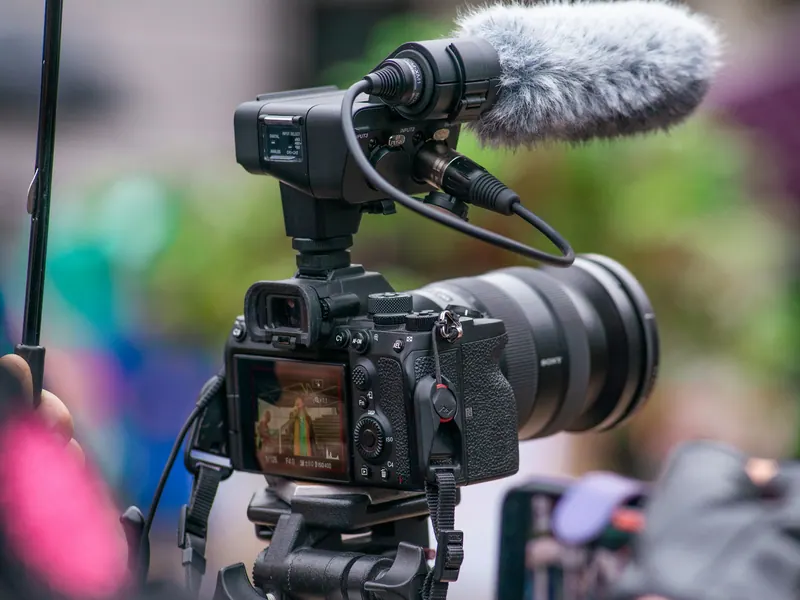
Most businesses know they should post Reels. Fewer know how to turn that intention into a shoot day that produces useable footage. The common pattern is a phone propped on a shelf, a hurried recording and a clip that gets posted once and forgotten. A short, repeatable checklist changes that. This guide covers what to prepare, what to capture and how to edit, so a single session produces weeks of content.
This is a companion to our broader article on social media video content strategy. Where that piece explains what to post, this one explains how to shoot it.
Before the shoot: pick topics and hooks
Choose ten to twenty ideas before you pick up a camera. Write each as a working title with a hook, the first line or visual that makes someone stop scrolling. For a restaurant, a hook might be "How we plate our top seller in twelve seconds". For a manufacturer, "Watch this part go from raw bar to finished component". For a consultant, "The one question I ask every new client".
Hooks work when they promise something specific: a result, a reveal or a surprise. Avoid openers such as "Hi everyone, welcome back". The first second is for the picture, not the greeting.
Frame for vertical, with safe zones
Shoot vertically at nine by sixteen, or shoot wide and keep the subject in the centre so you can crop later. Leave room at the top and the bottom for platform buttons and captions, roughly the outer fifteen percent of the frame. Check that important details, such as a product label or a face, do not fall behind the interface.
Keep the camera steady. A small tripod or gimbal improves almost every clip. When you want movement, make it deliberate: a slow push-in, a slider move or a handheld walk with a stabiliser.
Light the subject, not the room
Natural window light is flattering and free, but it changes through the day, so batch your shooting within a two-hour window. For indoor or night work, a single soft LED panel placed to one side of the camera, with a reflector opposite, is enough for most talking-head and product clips. Avoid mixed light colours, such as daylight from a window combined with warm bulbs overhead, which makes skin and products look inconsistent between clips.
If you shoot in a factory or kitchen, bring your own light and pay attention to reflective surfaces that will throw hotspots into the shot.
Capture clean audio
Poor audio ends a Reel faster than a shaky picture. For speaking, use a lavalier or shotgun microphone placed close to the subject, and shoot in the quietest room available. Turn off fans and air conditioning where practical, and record ten seconds of room tone at the end of each location for editing. For product and process clips without speech, record natural sounds such as sizzling, clicking or pouring, since these add texture when mixed with music.
Shoot in sequences, not single clips
For each idea, capture a wide shot, a medium shot and one or two close-ups, plus a hands-in-frame shot where relevant. Shoot each at least twice. This coverage gives the editor options and lets you vary pacing without repeating the same angle. Record a few seconds before and after the action, since trimming is easier than extending.
Also capture generic b-roll while you are set up: exterior, signage, team moments and product beauty shots. This footage becomes the raw material for future posts when you have no time to shoot.
Edit for sound-off viewing
Many people watch with the sound off, so captions are not optional. Burn in accurate, readable captions, with a font and colour scheme that matches your brand, and keep text within the safe zones. Cut quickly in the first few seconds, remove pauses and end on a clear action, such as a question, a prompt to save or an invitation to enquire.
Music should support the mood without competing with the voice. Use properly licensed tracks, because copyrighted audio can lead to muted videos or takedowns on business accounts.
Keep a consistent look
Consistency builds recognition. Use the same colour grade, fonts and caption style across videos, and consider a short branded opener or a subtle logo placement. Over time, your content should look recognisably yours even before the profile name appears.
A batch workflow that scales
A realistic workflow is to plan monthly, shoot in one or two sessions and edit in the week after. Keep a shared folder with raw footage, selects and finished edits, named by date and topic. Schedule posts in advance, leaving room for a few reactive posts about events or news. After a month, review which videos held attention, which were saved and which brought enquiries, and use that to shape the next plan.
When to bring in a studio
Phone footage is good enough for many clips, especially behind-the-scenes and quick tips. A studio becomes worthwhile when you need controlled light, clean audio, a polished look for products or people, or a large amount of content produced efficiently. Khobare Studio plans and shoots batches for brands in Pune through our social media video service, including scripting support, shooting, editing and platform-ready delivery.
Mistakes that weaken a Reel
A few habits quietly hurt results. Opening with a logo animation or a greeting wastes the first, most valuable second. Recording in a noisy place without a microphone makes viewers leave. Shooting horizontally and cropping late cuts off faces and products. Posting a video that is too long for its idea, instead of cutting it to the point, lowers completion. And changing style with every post makes your channel look unplanned. Fixing these five is usually enough to make an ordinary account look professional.
Final thoughts
Strong Reels come from preparation: a list of hooks, vertical framing, decent light, clean audio, coverage of each idea and editing for silent viewing. Do these consistently, in batches, and your channel stops depending on inspiration. If you would like a production partner to take the load, we are happy to talk through a monthly plan.
Related service
Social Media Video in Pune
Reels and shorts planned, shot and edited in batches.