Photography · · 5 min read
Real Estate Photography Checklist: Preparing a Flat or Showroom for the Photographer
The photographer arrives at ten. By ten-fifteen they have discovered that half the lights do not work, the sofa cushions are flattened, there is a laundry rack in the balcony and the maid is mopping the living room. The shoot still happens, but everyone's time is wasted, and the pictures show compromises. Most of what makes a property photograph great happens before the camera comes out. This checklist helps you prepare.
Two days before: plan and tell people
Confirm the time of the shoot, aiming for when natural light is best in the main rooms. Tell everyone who uses the space, including residents, staff, cleaners and building management, so nobody is surprised. For show flats and commercial spaces, arrange access to common areas, lifts, parking and terraces. If a drone or exterior shot is planned, confirm permissions.
Send the photographer a floor plan or a short video walkthrough. It helps them plan the sequence of rooms, lenses and lighting, and flag potential problems early.
The day before: clean and declutter
Deep cleaning matters because cameras reveal what the eye ignores: fingerprints on glass, dust on skirting boards, smudges on mirrors, marks on walls. Clean floors, windows and mirrors, and wipe kitchen and bathroom surfaces until they shine. Remove everyday clutter: remote controls, chargers, toiletries, newspapers, shoes and cleaning supplies.
Decluttering is as important as cleaning. Clear countertops, bedside tables and shelves down to a few well-chosen objects. In bathrooms, remove bottles and towels that are not part of the story.
Style each room
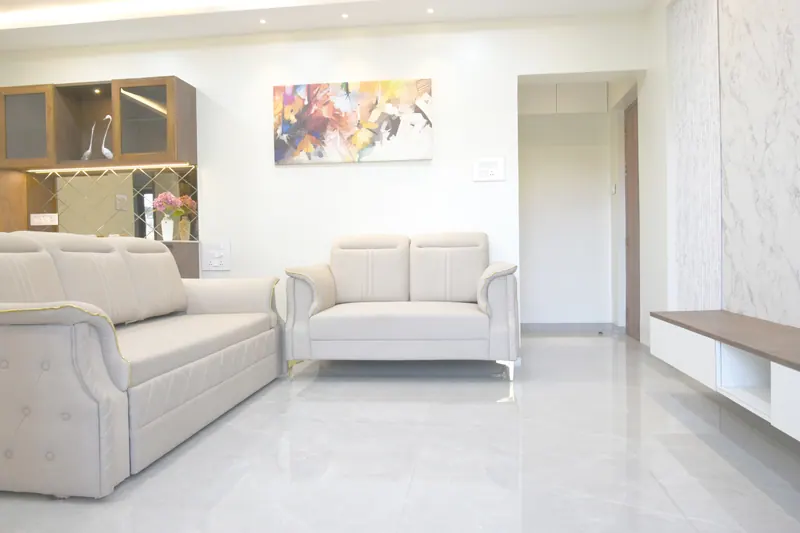
Each room should have a clear focus. In a living room, arrange sofas and chairs so the space feels open and inviting, with cushions plumped and throws folded neatly. In a bedroom, make the bed carefully with crisp linen and arrange pillows symmetrically. In a kitchen, keep only a bowl of fruit or a plant on the counter. In a dining room, set the table simply or leave it clear.
Add one or two natural touches, such as fresh flowers, a plant or a bowl of lemons. Avoid personal photographs, religious items and anything that makes it feel like someone else's home, if the aim is to sell or rent.
Sort out the lighting
Check every bulb and replace any that are dead or mismatched. Warm and cool light mixed in the same room can look odd, so use consistent bulbs where possible. On the shoot day, switch on all lights, including lamps and under-cabinet lights, because a good photographer will decide which to use. Open curtains and blinds to let daylight in, and clean the windows beforehand.
Remember that a bright view outside can overpower interiors. The photographer will balance this with flash or multiple exposures, but a clean, unobstructed window helps.
Prepare the exterior and common areas
First impressions start at the door. Sweep entrances, tidy plants, move cars and bikes out of the frame and clear bins and construction debris. In apartment complexes, check that corridors, lifts, lobbies, gyms, pools and gardens are clean and open. For twilight exterior shots, test that façade and landscape lighting works.
Prepare the people and the pets
Decide who needs to be at home during the shoot. Ideally, as few people as possible. Pets should be elsewhere if possible, since they can be unpredictable and leave marks. If staff will be present, brief them not to move styling or switch lights off. A single point of contact who knows the property is better than many opinions.
Think about the shoot day logistics
Make sure the photographer has parking, lift access and the ability to move furniture slightly. Provide water and a place to leave equipment. Keep a spare person available to help move items. Allow enough time: a typical apartment takes a few hours, while a larger home, villa or commercial space may need a full day. Avoid scheduling other work, such as painting or repairs, at the same time.
What the photographer will do
A professional will walk through the space with you, agree the order of rooms and decide on key views. They will set up a tripod, use wide lenses with careful perspective correction, balance daylight with flash and review shots on a monitor. They may move a few items for composition, then return them. After the shoot, they will edit for colour, verticals, window views and minor distractions, and deliver web and print sizes.
What not to do
Do not hide problems with bad lighting, because retouching rarely fixes them convincingly. Do not use extreme wide-angle tricks to make rooms look larger than they are, since viewers feel misled when they visit. Do not overstyle, because props can make a space look smaller or cluttered. And do not rush: a calm shoot produces better images than a hurried one.
Working with Khobare Studio
We send every client a tailored version of this checklist and, for larger projects, visit in advance. You can read about our process on our interior photography page, and we can combine stills with aerial video for developments and estates.
Room-specific tips
Kitchens look best with clear counters, a single plant or bowl of fruit and every appliance wiped down. Bathrooms need folded white towels, a lowered toilet seat and no visible toiletries. Bedrooms need crisp, symmetrical bedding and uncluttered bedside tables. Balconies need to be swept, with any laundry racks removed and furniture arranged neatly. Staircases and corridors should be free of shoes and bags. For commercial spaces, hide cables, tidy desks and switch screens to a neutral wallpaper or turn them off. These small touches take a few minutes and noticeably raise the quality of the final pictures.
Give the photographer a point of contact and a plan B
Nominate one person who knows the property and can answer questions during the shoot, such as which rooms are priority, where the switches are and what cannot be moved. Agree a backup date in case rain, a power cut or a last-minute visitor disrupts the first one. It costs nothing to plan, and it removes most of the stress from the day.
Final thoughts
The best property photographs are made by teams who prepare. Clean deeply, declutter ruthlessly, style simply, fix the lights and tell everyone the plan. Do that and your photographer can focus on light and composition, instead of fixing the room.
Related service
Interior & Real Estate Photography in Pune
Homes, offices and hospitality spaces with true proportion and light.